Workflows

Cross-border acquisition workflows from public signal to reviewed sales action

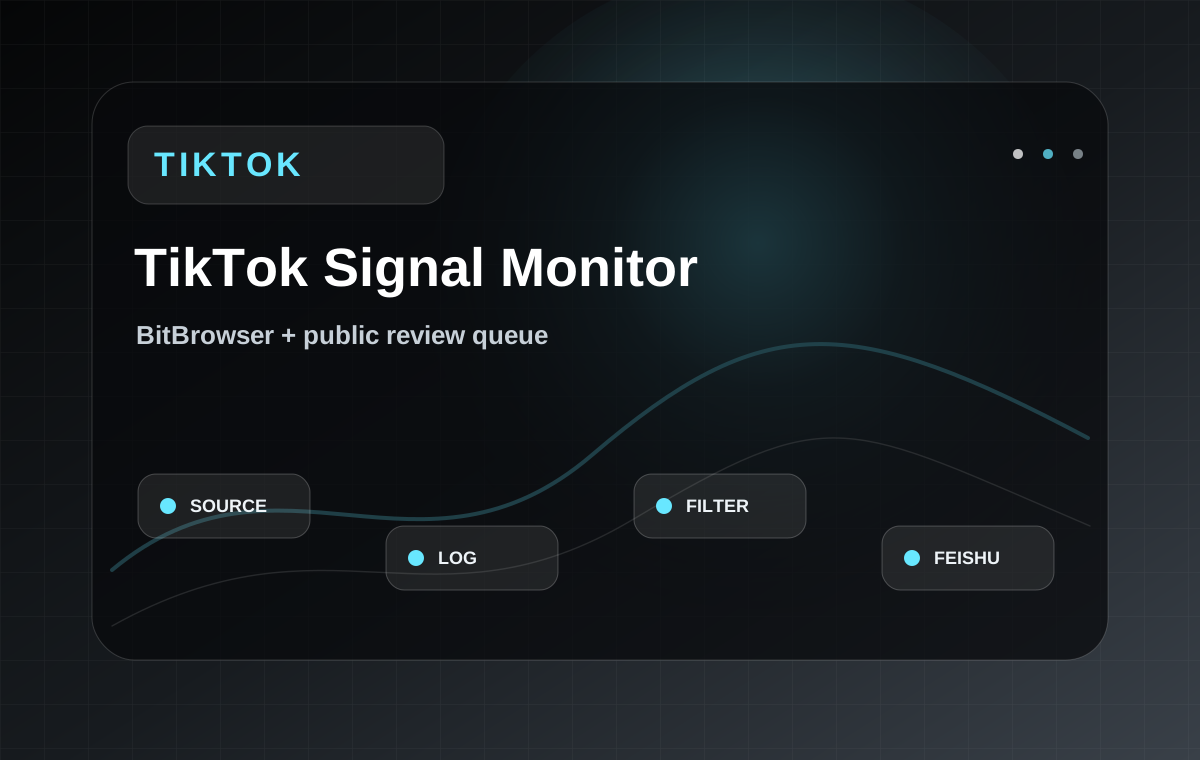
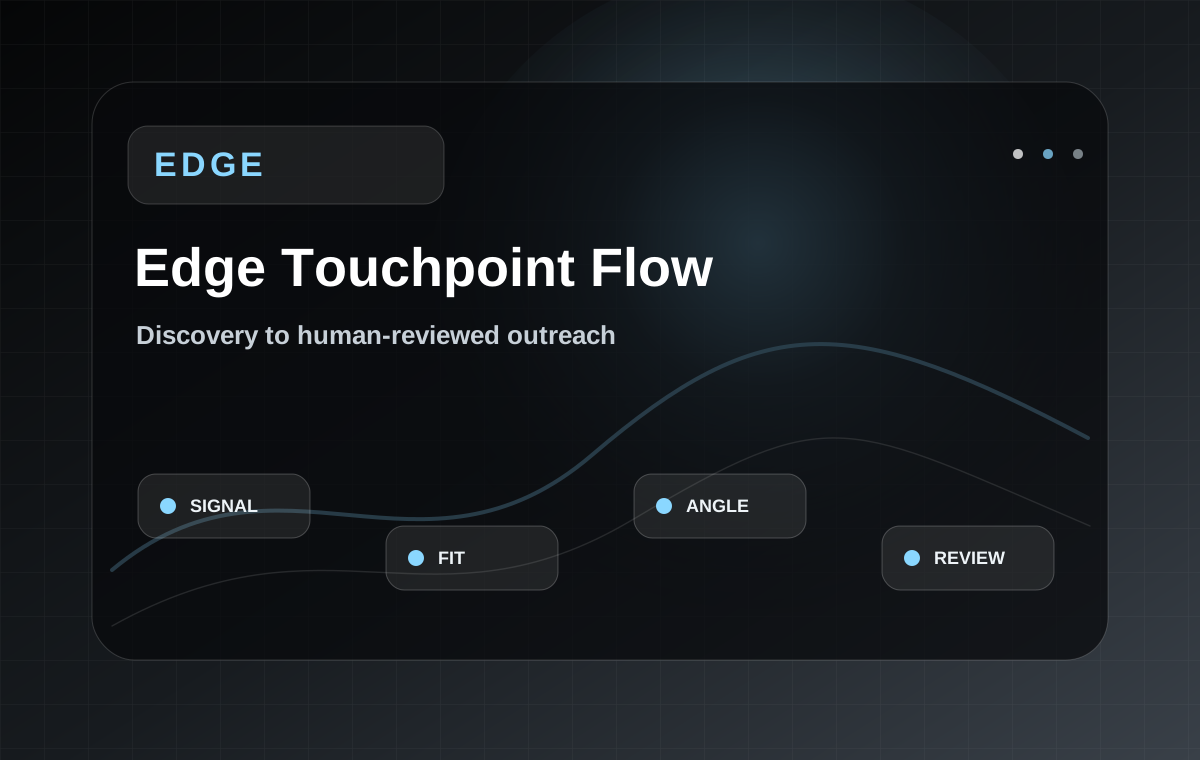
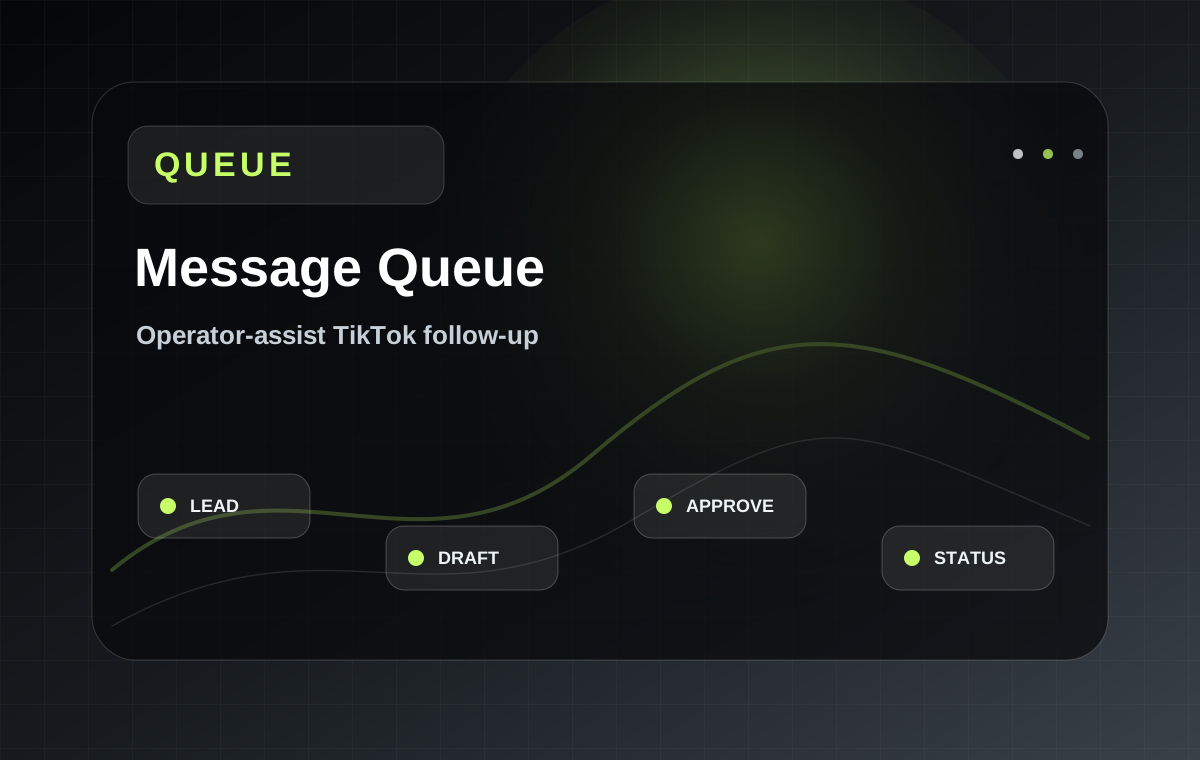
Hexastruct builds Yingdao RPA, n8n, Feishu robot alerts, Telegram routing, CRM handoff, JS lead records, and human-reviewed follow-up pipelines.

Cross-border acquisition workflows from public signal to reviewed sales action
Source
public page, form, email, social, sheet
Extract
AI fields and source context
Clean
normalize / dedupe / validate
Score
buyer fit and urgency
Review
human checkpoint
Alert
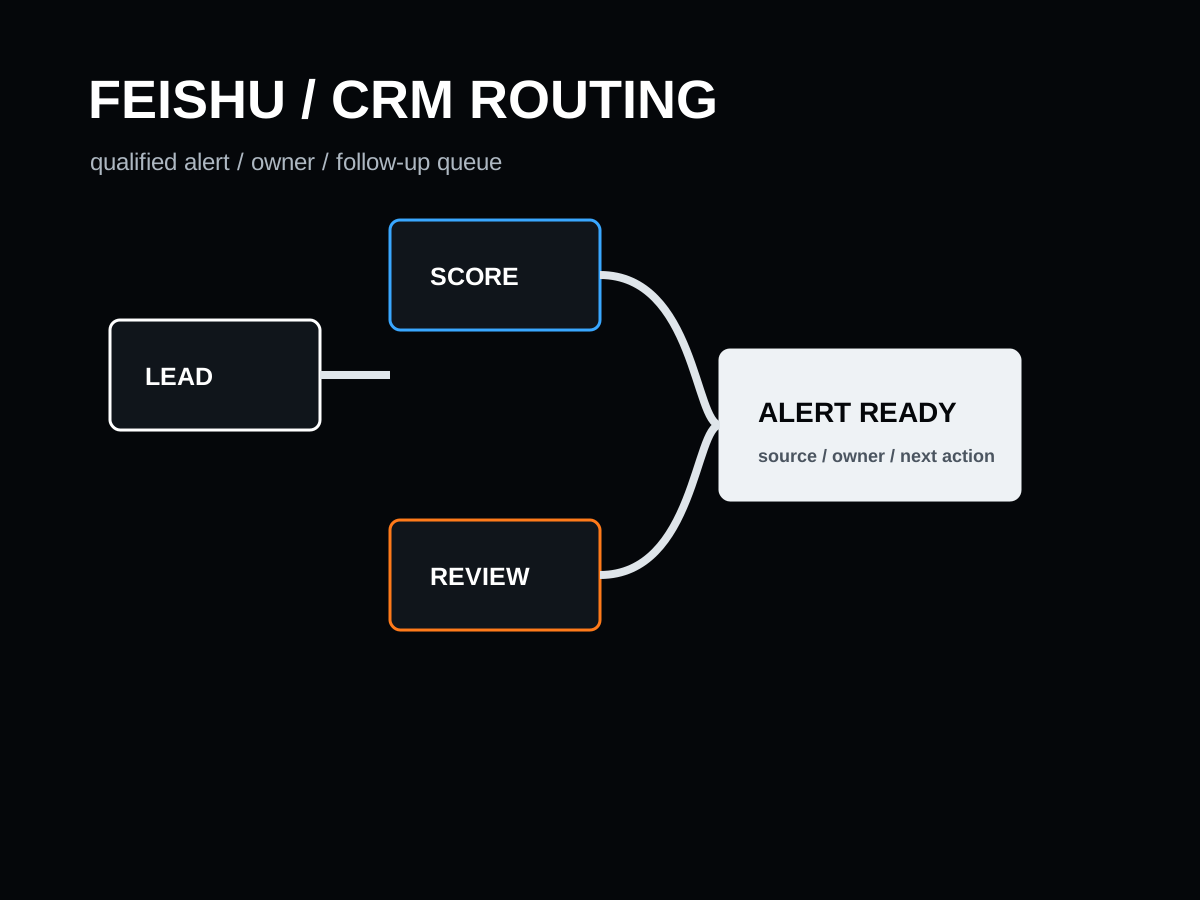
Feishu / Telegram / CRM
Learn
SEO / GEO feedback loop

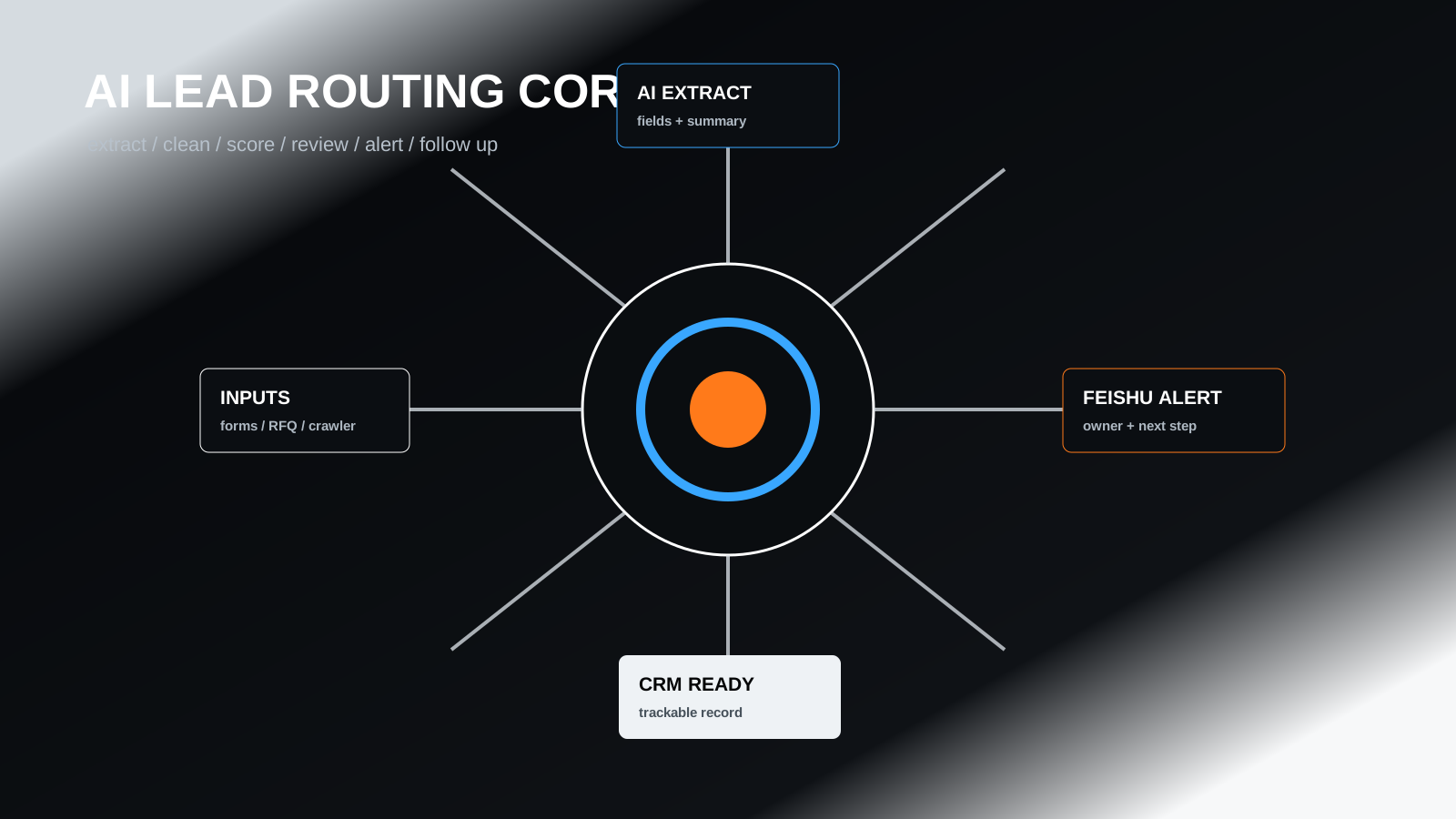
Lead routing core

Extract, score, review, alert, follow up, learn

The AI workflow connects crawler signals, website forms, RFQ emails, social leads, and manual notes to Feishu, Telegram, CRM, sheets, and SEO/GEO feedback loops.

Extract, score, review, alert, follow up, learn

Automation literacy

Teach the buyer why automation changes B2B growth

The page explains public data monitoring, data cleaning, scoring, routing, and human review in buyer language before it shows the technical workflow.

01 / Buyer education

Automation is not just saving clicks

For overseas B2B work, automation matters because product demand is scattered across websites, social platforms, RFQs, comments, exhibitions, and inboxes. A workflow turns repeated manual discovery into a visible operating system.

  • Find public buyer signals before competitors notice them
  • Reduce manual copying between browser, sheet, CRM, and chat tools
  • Keep every lead attached to source, category, score, owner, and next action
02 / Data quality

Raw leads are not business assets until they are cleaned

A phone number, email, TikTok account, RFQ note, or comment is only useful when it becomes a structured record. Data cleaning makes buyer information comparable, searchable, and safe for follow-up.

  • Normalize country, product category, company role, quantity, and urgency
  • Remove duplicates, spam, missing fields, and low-fit records
  • Create a single sales view that humans can trust
03 / Crawler discipline

A crawler should monitor signals, not create a messy scraping dump

Hexastruct treats crawler work as public-signal monitoring with source logs, platform rules, rate limits, error recovery, and human review. The goal is fewer but better opportunities.

  • Monitor public product pages, category keywords, posts, visible comments, and supplier listings
  • Record source URL, timestamp, extraction rule, and confidence score
  • Use human review before outreach or commercial decisions
04 / AI extraction

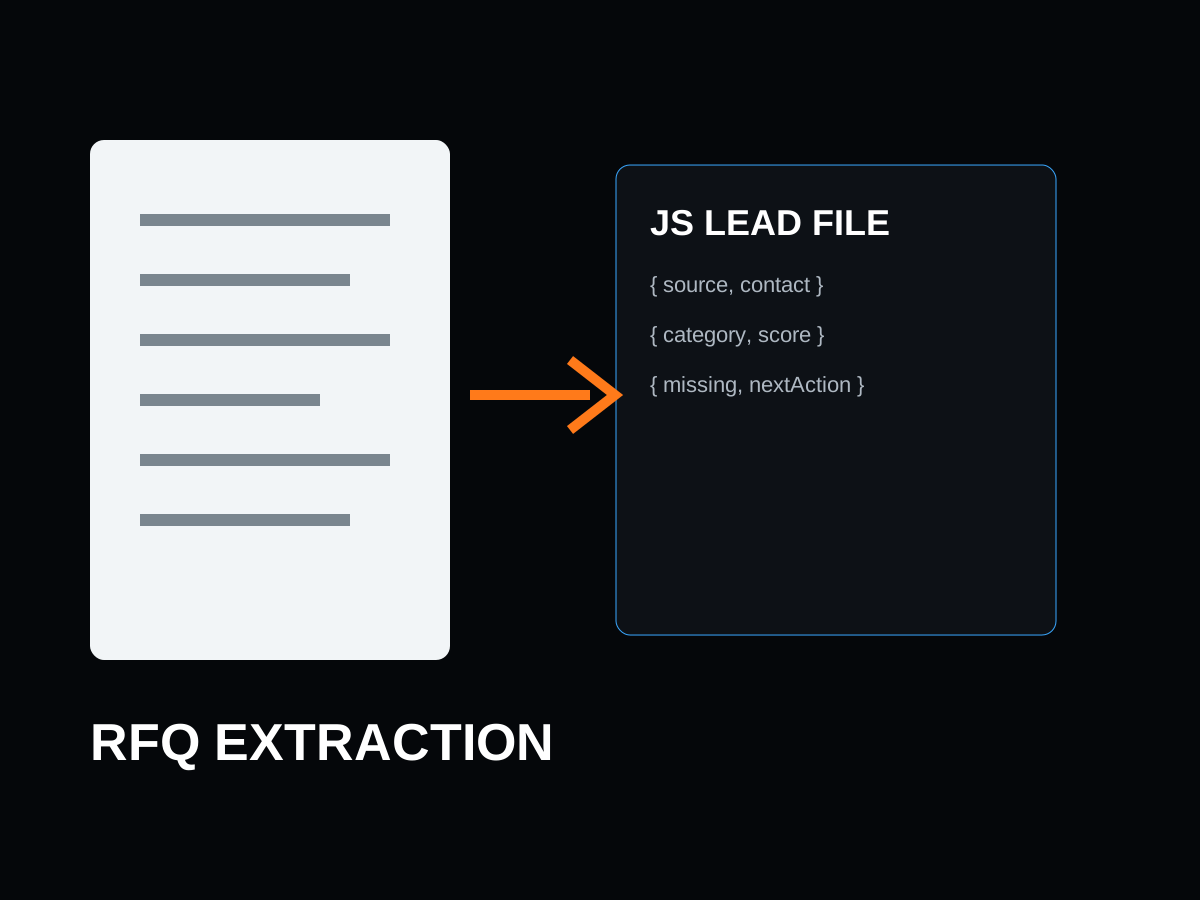
AI extraction turns messy text into fields your sales team can act on

Gemini-style extraction or other AI prompts can convert unstructured page text, RFQ emails, comments, and files into product category, buyer role, pain point, region, urgency, and next action.

  • Extract structured fields from mixed Chinese and English content
  • Summarize why a lead may matter to the business
  • Mark missing fields so humans know what to ask next
05 / Scoring

Lead scoring teaches the team which opportunities deserve attention first

A B2B team cannot chase every signal. Rule-based and Bayesian-style scoring prioritize records by category fit, channel quality, recency, buyer language, product match, and negative signals.

  • Score category fit, target country, purchase role, urgency, and repeat-order potential
  • Lower the score for unclear identity, irrelevant category, or risky wording
  • Push only qualified records to Feishu, Telegram, or CRM
06 / Human review

The best automation keeps humans in the decision loop

For hardware, quotation, outreach, and supplier promises carry risk. Hexastruct automates collection, cleaning, summarizing, and routing, while keeping final judgment, quote language, and relationship building under human control.

  • Human checkpoint before outreach or quotation
  • Reviewable source trail for every qualified lead
  • Follow-up queue instead of blind mass messaging

Crawler operating rules

Public web data is useful only after it becomes a controlled signal system

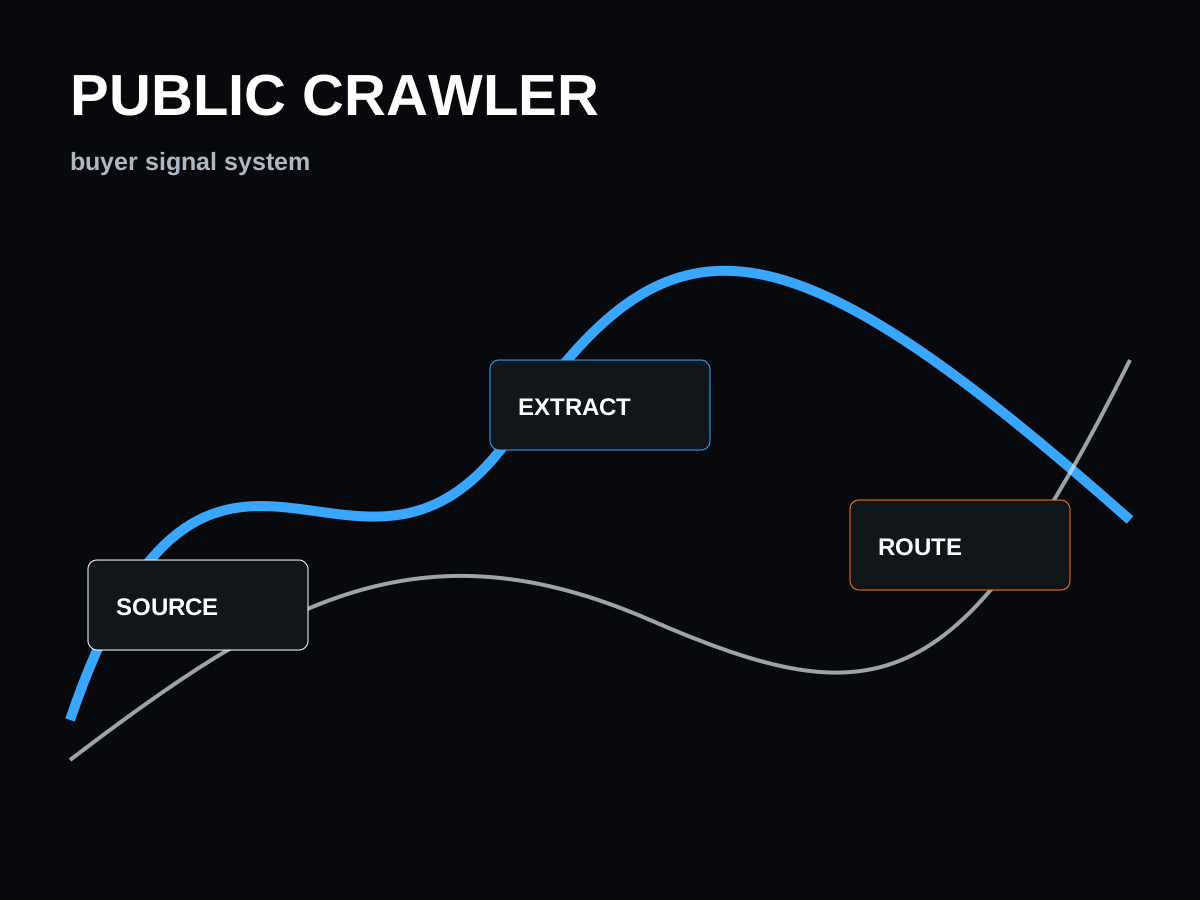
Hexastruct treats crawler automation as public-signal monitoring, not raw scraping volume. Every source, field, filter, and human checkpoint is designed before collection starts.

07 / Route

Push the clean record into Feishu, Telegram, CRM, or sheet

A high-fit record becomes a concise alert with source link, summary, score, missing fields, owner, suggested follow-up, and next reminder.

The workflow becomes action, not just a report.
08 / Learn

Feed repeated questions back into SEO and GEO pages

Repeated buyer questions, product names, objections, and platform phrases become FAQ pages, answer-hub entries, case pages, and sales scripts.

Automation improves the website, not only the sales inbox.

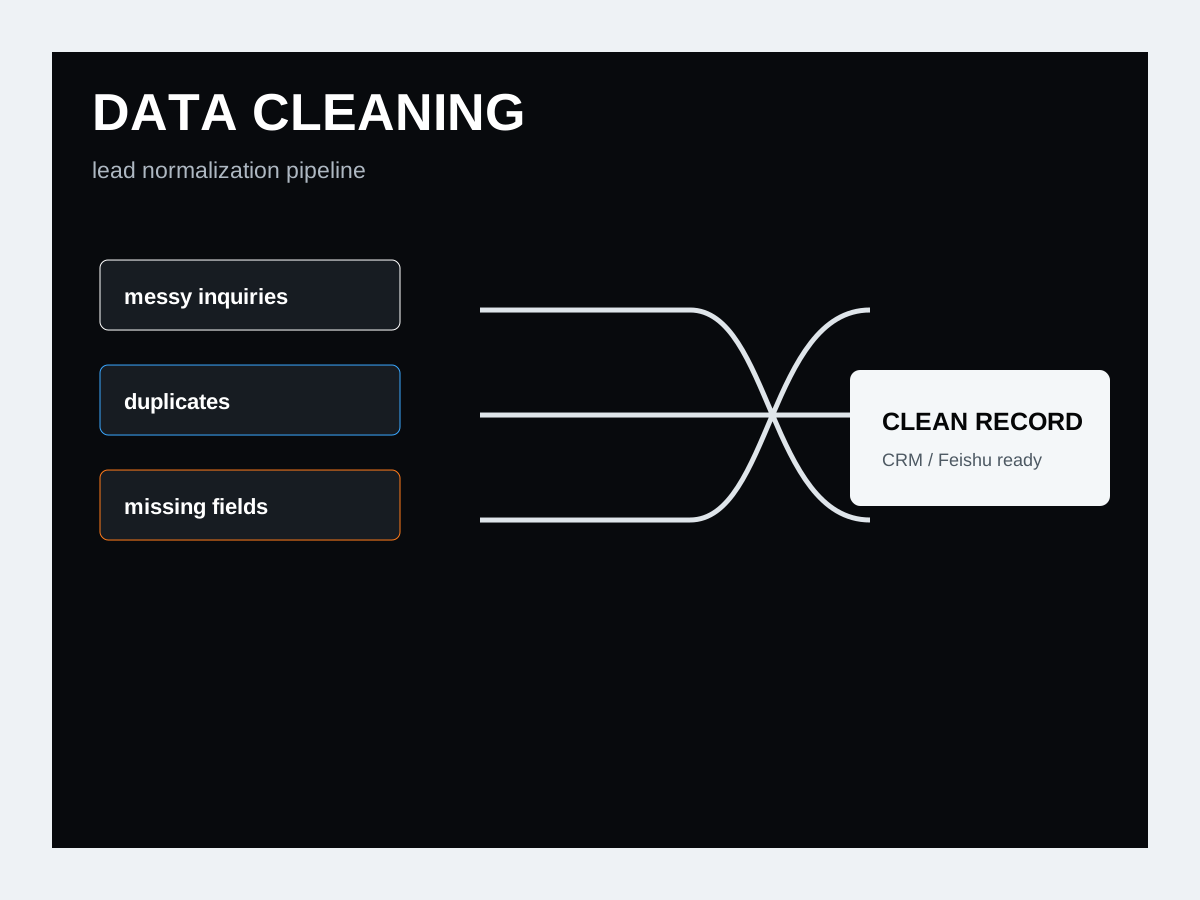
Data cleaning logic

Data cleaning turns noise into sales decisions

A lead record is useful only when the same fields, naming rules, missing-data checks, and scoring logic are applied every time.

Messy input

Long RFQ emails and attachments with requirements hidden in paragraphs

Clean output

Structured fields for quantity, target price, certification, material, deadline, files, and open questions

Engineers and sales can review the same brief instead of re-reading the whole inbox.
Messy input

Social comments with slang, complaints, praise, and unrelated chatter

Clean output

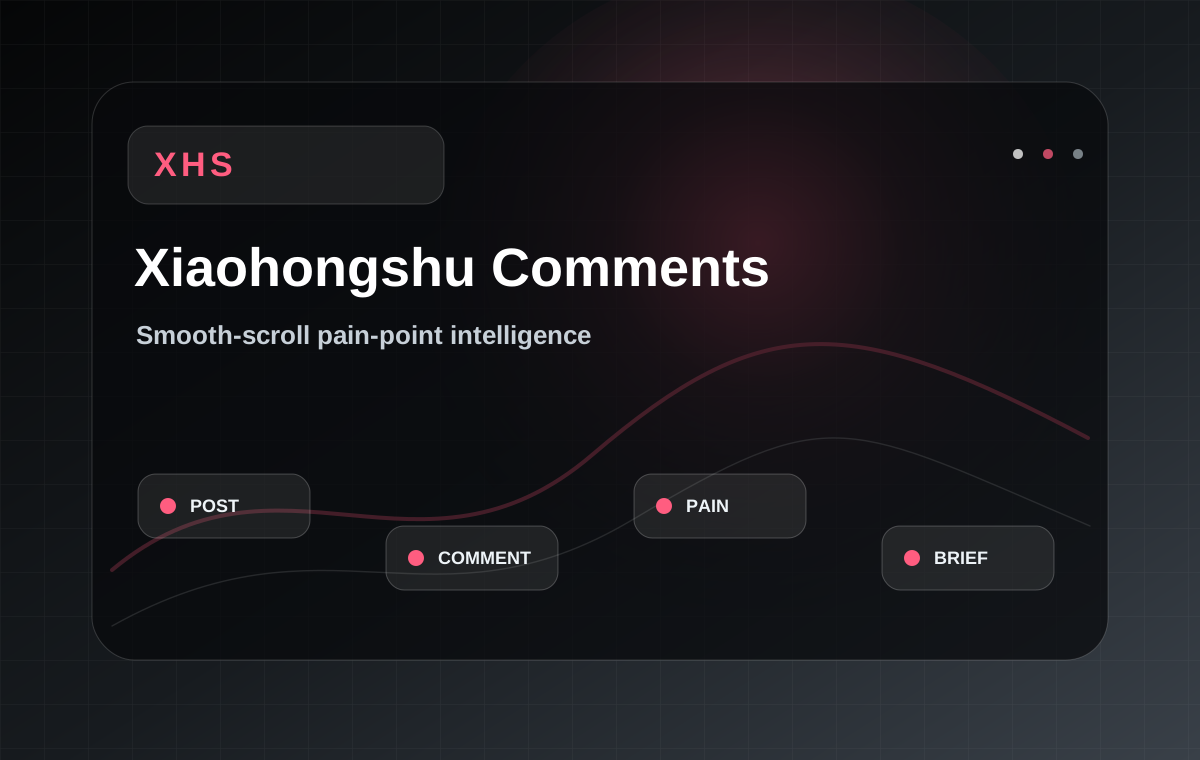
Pain-point clusters, usage scenarios, negative objections, product feature clues, and topic frequency

Product planning and content pages use real customer language.
Messy input

Supplier catalogs with inconsistent MOQ, materials, dimensions, price bands, and images

Clean output

Comparable supplier table with normalized specs, risk notes, capability tags, and update dates

Buyers get a stronger shortlist and faster sample-stage decisions.
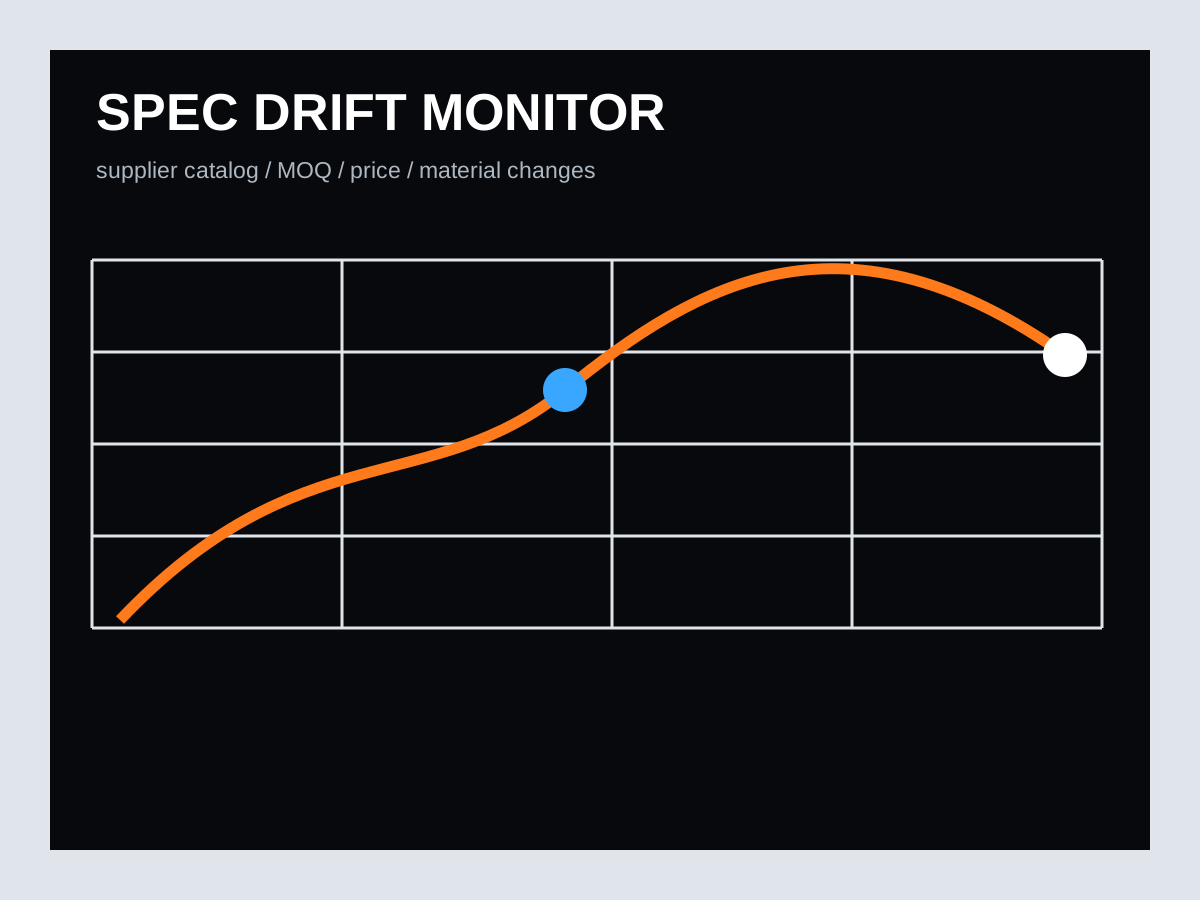
Messy input

Public product pages where key claims change over time

Clean output

Versioned watch record with changed fields, screenshot or source note, and alert reason

The team notices competitor, price, feature, and market shifts earlier.
Messy input

Low-quality leads, spam, unrelated job seekers, and vague partnership messages

Clean output

Negative-signal tags, blocked patterns, low-score queue, and human override path

Alerts stay clean and the team trusts the workflow.

Buyer education

Automation concepts explained in practical B2B language

Public signalA visible clue from public pages, posts, comments, RFQs, directories, or product launches that may reveal buyer demand.

Stored with source URL, timestamp, channel, extracted fields, and confidence score.

Crawler automationA scheduled system that monitors public information and captures useful changes or records.

Built with tools such as Python, Playwright, Scrapling, Yingdao RPA, browser queues, and source logs.

Data cleaningThe process of turning messy lead text into consistent fields a team can search, compare, score, and route.

Includes normalization, deduplication, validation, missing-field flags, taxonomy mapping, and quality scoring.

AI extractionUsing an AI model to read messy content and output structured fields.

Useful for RFQs, product pages, comments, supplier notes, emails, and research documents.

Lead scoringA way to decide which opportunities deserve human attention first.

Combines category fit, target market, buyer role, urgency, source reliability, negative signals, and confidence.

Human review checkpointA required review step before outreach, quotation, or supplier commitment.

Keeps automation useful without letting weak or risky output reach buyers.

Feishu alertA concise message pushed to the team when a qualified lead or workflow exception appears.

Can include source, summary, score, missing fields, recommended next action, and owner.

GEO feedback loopTurning repeated buyer questions discovered by workflows into pages that AI search engines can quote.

The same cleaned questions feed FAQ schema, answer hub pages, llms.txt, service pages, and sales scripts.

AI extraction prompt

Convert messy content into useful fields

Define extraction prompts for buyer role, product category, country, requirement, pain point, urgency, quantity, certification, and open questions.

  • Gemini-style extraction
  • Prompt version control
  • Missing-field flags
Scoring logic

Prioritize high-value opportunities

Combine rules and Bayesian-style logic to rank leads by category fit, buyer language, urgency, source quality, repeat-order potential, and negative signals.

  • Score explanation
  • Threshold by channel
  • Human override
Feishu / Telegram

Route alerts that are short but complete

A useful alert includes source, summary, score, missing fields, recommended next step, owner, and deadline instead of a raw copied message.

  • Feishu robot message format
  • Telegram fallback
  • CRM-ready fields
GEO loop

Turn sales questions into website content

Repeated questions become FAQ answers, answer-hub entries, service pages, case pages, and llms.txt so AI search models can understand Hexastruct more easily.

  • Google FAQ schema
  • AI-search questions
  • Content from real buyer language

AI Automation Case Library

AI lead scoring, Feishu routing, and follow-up workflow cases

These playbooks show how public signals and inquiries become scored records, alerts, ownership, scripts, reminders, and GEO content ideas.

Google-ready FAQ

Questions buyers ask before they inquire

What should be inside a Feishu lead alert?

A good Feishu alert should include source URL, buyer or company clue, product category, summary, lead score, missing fields, suggested next action, owner, and follow-up reminder.

Can AI lead workflows avoid low-quality automated outreach?

Yes. Hexastruct uses deduplication, scoring, negative-signal filters, and human review before outreach so the workflow supports quality sales work instead of blind mass messaging.

How does a lead workflow help Google and AI search visibility?

The workflow reveals what buyers repeatedly ask. Those questions can be rewritten into FAQ schema, service pages, answer hub pages, case pages, and llms.txt entries for GEO and SEO.